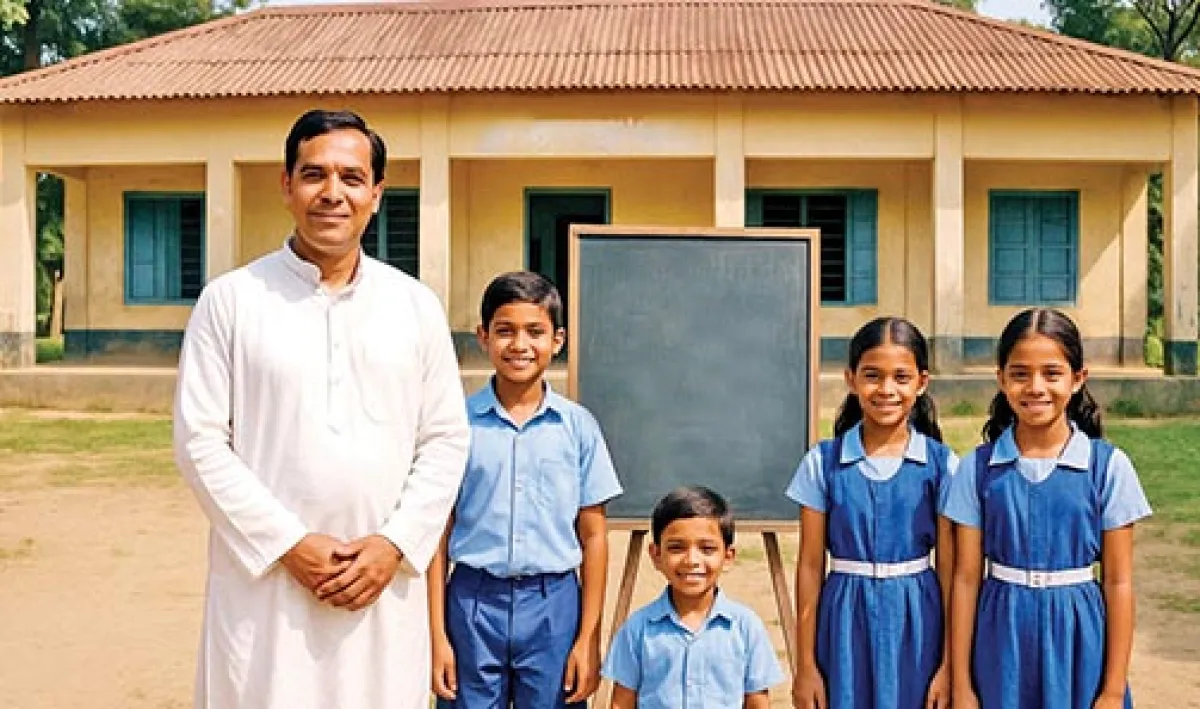
Education is one of the most powerful tools for personal growth and national development. It shapes a person’s mind, builds character, and opens doors to countless opportunities. However, despite its importance, many students around the world are forced to leave school due to financial difficulties. The concept of free education is therefore essential, as it ensures that every child, regardless of their socio-economic background, has the opportunity to complete their studies. Free education can significantly help prevent student dropout by removing economic barriers, encouraging equality, and fostering social progress.
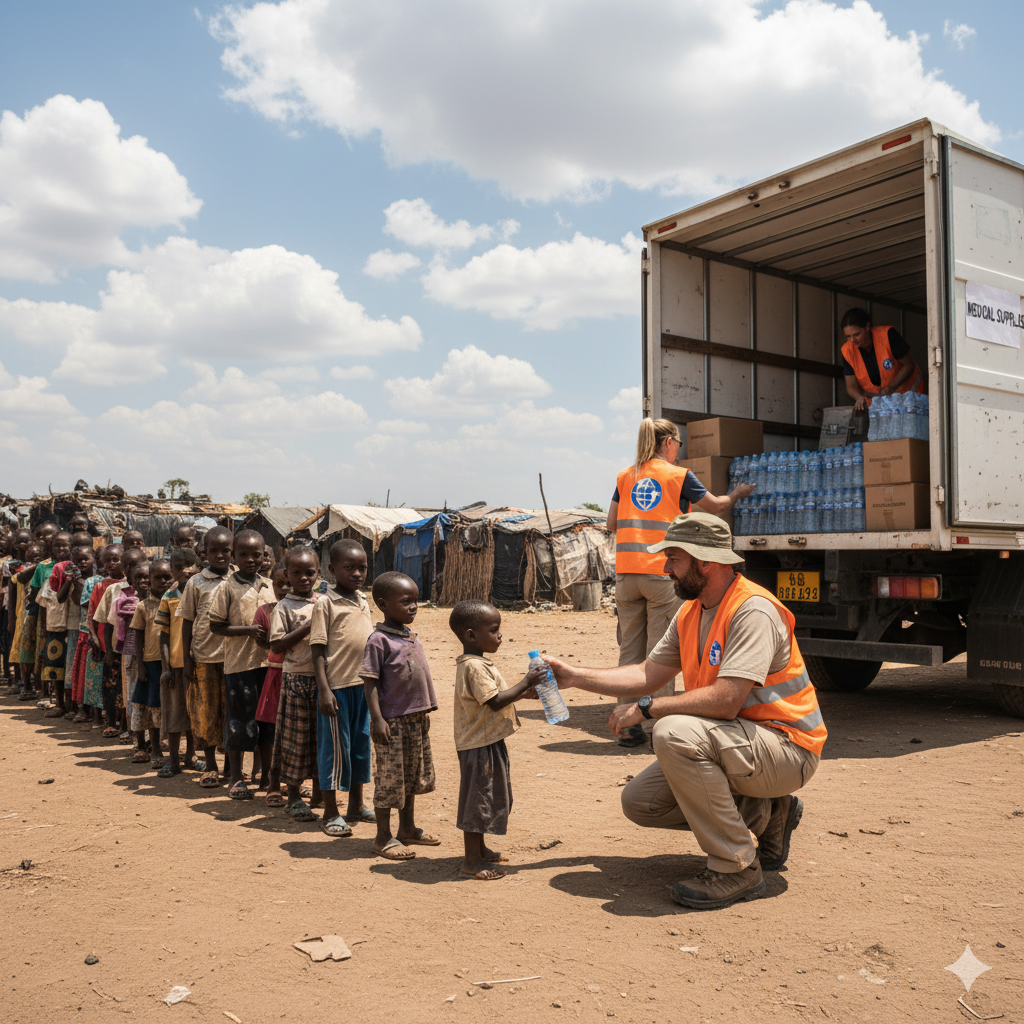
One of the main reasons students drop out of school is poverty. In many families, especially in developing countries, parents struggle to meet the basic needs of food, clothing, and shelter. Education expenses such as tuition fees, books, uniforms, and transportation add an extra burden. When parents cannot afford these costs, children are often forced to leave school and engage in work to support their families. By providing free education, these financial burdens can be reduced or eliminated, allowing students to continue their studies without worry. When education becomes affordable for all, the dropout rate automatically decreases.
Moreover, free education promotes equality. It gives children from poor and marginalized communities the same opportunity to learn as those from privileged backgrounds. This equal access helps bridge the gap between rich and poor, empowering disadvantaged students to build better futures for themselves. When education is free, schools become more inclusive, and the diversity of students enriches the learning environment. This sense of equality motivates students to stay in school, knowing that they are not excluded because of their economic situation.
In addition, free education helps build an educated and skilled society. When more students complete their education, the overall literacy rate of a nation increases. Educated citizens are more likely to find employment, contribute to the economy, and participate actively in social and political life. They also become more aware of their rights and responsibilities, which leads to a more just and progressive society. Thus, free education not only prevents dropouts but also strengthens the foundation of a nation’s future.
Furthermore, education has long-term benefits that go beyond the individual. When one person in a family becomes educated, the entire family benefits. They can guide others, improve their living conditions, and inspire the next generation to pursue learning. In this way, free education creates a chain of positive outcomes that continue to grow over time.
In conclusion, free education is not just a policy but a pathway to equality and national progress. It removes financial obstacles, reduces dropout rates, and builds a more educated society. Governments, organizations, and communities must work together to ensure that every child has access to free and quality education. Only then can we achieve a world where knowledge is truly accessible to all, and no child is left behind because of poverty. Free education, therefore, is one of the most effective ways to prevent student dropout and build a brighter future for everyone.