Humanitarian work refers to actions taken to alleviate human suffering, protect human dignity, and improve the quality of life for vulnerable and disadvantaged people. It is based on principles of compassion, empathy, and social justice, and it transcends religion, race, or social status. Humanitarian work plays a crucial role in creating a more equitable and caring society, where the needs of all individuals are recognized and addressed.
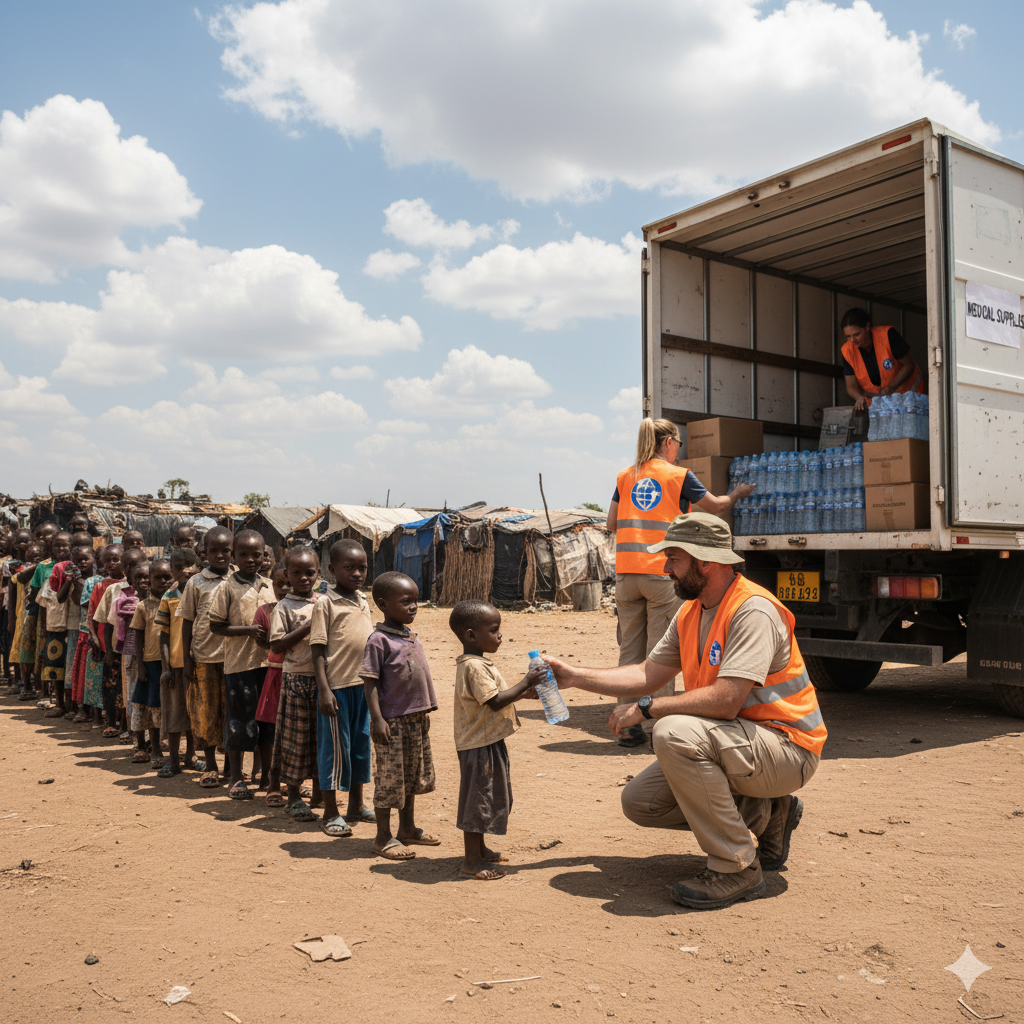
The primary purpose of humanitarian work is to help those in need. This includes providing basic necessities such as food, clean water, clothing, shelter, healthcare, and education. Many people around the world face extreme poverty, hunger, and lack of access to essential services. Humanitarian organizations and volunteers step in to fill these gaps, ensuring that even the most marginalized communities receive support. By addressing these immediate needs, humanitarian work can save lives and reduce suffering.
Another important aspect of humanitarian work is disaster relief and emergency response. Natural disasters like floods, earthquakes, cyclones, and droughts, as well as human-made crises such as conflicts and displacement, leave millions of people vulnerable. Humanitarian workers provide rapid assistance during these emergencies, including food distribution, medical aid, temporary shelters, and psychological support. These efforts not only address immediate survival needs but also help affected communities recover and rebuild their lives in the long term.
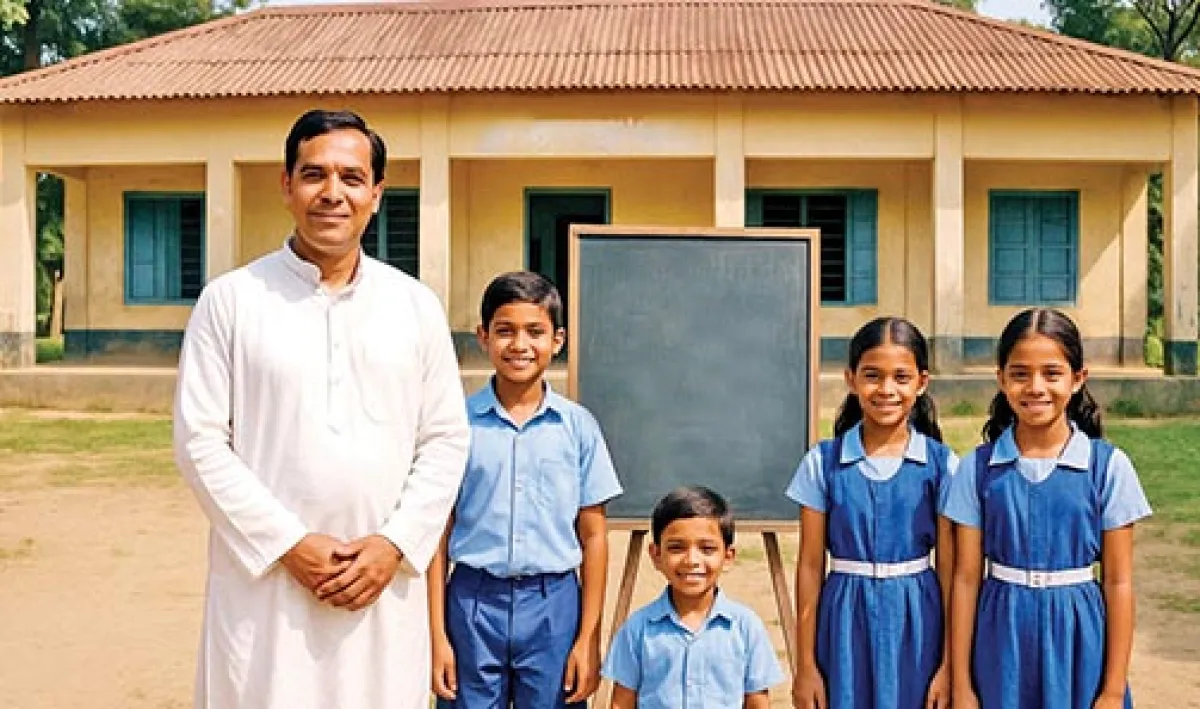
Education and skill development are also critical components of humanitarian work. Many humanitarian organizations establish schools, vocational training centers, and literacy programs to empower children and adults. By providing education, these initiatives help break the cycle of poverty and equip individuals with the knowledge and skills necessary for self-reliance. In addition, healthcare programs, vaccination campaigns, and mobile clinics improve overall health outcomes and reduce preventable diseases among vulnerable populations.
Humanitarian work also focuses on promoting human rights, gender equality, and social justice. It challenges discrimination, advocates for the protection of the most vulnerable, and supports initiatives that empower women, children, and minority groups. Awareness campaigns on health, hygiene, environmental protection, and social issues educate communities, fostering a culture of responsibility and cooperation.
Several national and international organizations are actively involved in humanitarian work. For example, the United Nations agencies such as UNICEF and UNHCR provide support to children, refugees, and displaced populations. The Red Cross and Red Crescent societies deliver emergency aid and healthcare services during disasters. In Bangladesh, local NGOs like Sanabil Foundation and Amena Foundation focus on supporting disadvantaged groups, providing education, healthcare, and vocational training.
The importance of humanitarian work cannot be overstated. It not only saves lives and reduces suffering but also strengthens social cohesion, promotes empathy, and fosters a sense of global responsibility. By addressing immediate needs and creating opportunities for long-term development, humanitarian efforts enable people to live dignified and meaningful lives. Moreover, humanitarian work encourages communities to come together in solidarity, promoting peace and mutual respect.
In conclusion, humanitarian work is a vital part of building a compassionate and just society. It helps vulnerable individuals survive, thrive, and reach their full potential. By supporting humanitarian initiatives, both individuals and organizations contribute to a world where human dignity is respected, basic needs are met, and every person has the opportunity for a better life. Humanitarian work is not just an act of charity; it is a commitment to humanity, empathy, and the shared responsibility of creating a better future for all.